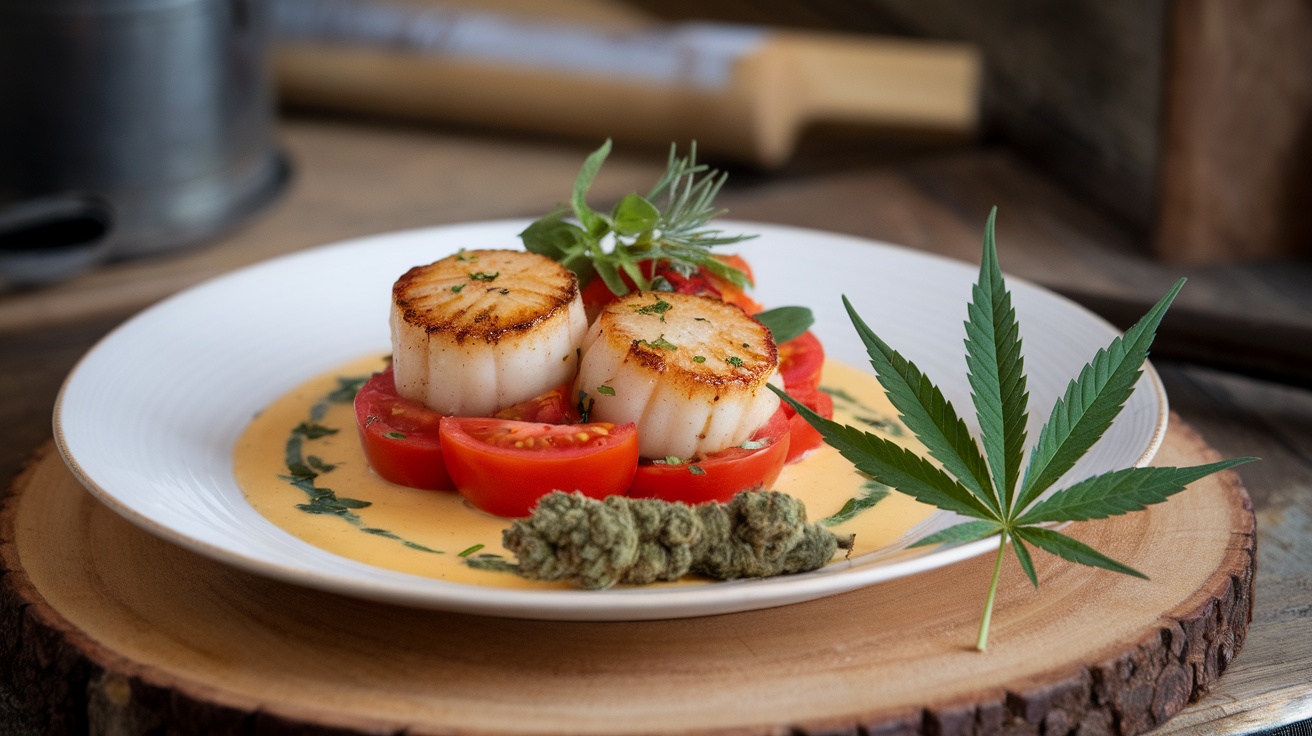
A good pairing makes both sides shine.
That rule applies to wine, coffee, cheese, and cannabis products. But here’s the twist: the best cannabis-and-food matches aren’t really about choosing “sativa for daytime” or “indica for dessert.” Those labels can be a shaky compass.
Terpenes are the more useful bridge. They help shape a cultivar’s aroma and flavor, giving you clues about which foods may complement, contrast, or amplify the experience. Think of them as the dinner party guests introducing everyone. Limonene brings citrus. Pinene shows up wearing rosemary. Caryophyllene arrives with cracked pepper on its jacket.
Ready to build a better plate?
First, Forget the Sativa-versus-Indica Shortcut
The sativa, indica, and hybrid categories can offer broad expectations, but they don’t tell the whole story. Two strains with the same category label may have completely different cannabinoid and terpene profiles.
Your better starting point is the product label or lab report. Look for:
- Dominant terpenes
- THC and CBD percentages
- Aroma descriptions
- Cultivar name
- Recommended serving information for infused products
A strain’s name is a clue, not a guarantee. Blue Dream from one producer may smell more fruity and citrusy, while another batch may lean herbal or earthy.
Your tolerance, dose, setting, and meal also affect the experience. So treat strain-food pairing as a flavorful experiment: not a promise of a specific effect.
The Pairing Formula: Aroma, Intensity, and Mood
Great pairings usually follow three simple ideas.
1. Match shared aromas
Citrus-forward cannabis can echo lemon, lime, orange, and grapefruit in a dish. Peppery cannabis can make grilled foods and warm spices feel more connected.
2. Balance intensity
A bold OG Kush profile may bulldoze a delicate cucumber salad. A bright, lighter profile could disappear beside smoky brisket.
Big flavors need big partners. Delicate flavors need breathing room.
3. Choose the mood you want
Are you trying to energize a meal, settle into comfort food, or create a relaxed social spread?
That goal helps narrow the field. The terpene profile then helps you choose the flavor lane.
Goal One: Energize the Meal With Citrus and Fresh Herbs
Want dinner to feel bright instead of heavy?
Start with cannabis products that feature limonene or pinene. Limonene is commonly associated with lemon and orange aromas, while pinene can bring pine, rosemary, and fresh herbal notes. These profiles naturally fit lively foods.

Pairing: Sour Diesel with citrusy seafood
Sour Diesel is often described with sharp, fuel-like, citrus, and herbal notes. That assertive profile can stand up to:
- Grilled shrimp with lemon-garlic butter
- Ceviche with lime and cilantro
- Fish tacos with cabbage slaw
- Arugula salad with grapefruit segments
- Roasted asparagus with lemon zest
The logic is simple: citrus acidity cuts through richness, while herbs and garlic give a pungent strain something to play against.
Keep the food fresh and crisp. You’re building momentum, not a food coma.
Pairing: Pineapple Express with tropical dishes
Pineapple Express is frequently associated with fruity, tropical, and herbal aromas. Try it with:
- Grilled pineapple and shrimp skewers
- Mango salsa
- Coconut rice
- Jerk-seasoned chicken
- Pineapple-lime slaw
The sweet-tart fruit echoes tropical notes, while smoky grilling adds contrast. It’s a sunny pairing with enough char to keep things interesting.
Pairing: Blue Dream with berry and herb salads
Blue Dream can show fruit, berry, citrus, and herbal characteristics depending on the batch. That makes it flexible with:
- Mixed greens and fresh berries
- Goat cheese and citrus vinaigrette
- Basil, tomato, and mozzarella
- Prosciutto with melon
- Light pasta salads
Best serving tip: Start with the freshest course first. Eat the salad or seafood before heavier dishes cover your palate with butter, salt, and smoke.
Goal Two: Unwind With Earthy Comfort Food
Some meals are built for slippers.
For a cozy evening, look for profiles featuring myrcene, earthy aromatics, sweet herbal notes, or warm spice. Myrcene is often associated with musky, earthy, and sometimes mango-like aromas. It fits dishes with roasted vegetables, mushrooms, garlic, and slow-cooked proteins.
Just remember: terpene research is still developing, and aroma does not guarantee a particular health or psychoactive outcome. The “unwind” goal here is about the overall sensory mood: not a medical claim.
Pairing: OG Kush with roasted and savory dishes
OG Kush is commonly described with earthy, piney, lemony, and fuel-like notes. Its bold character suits foods with depth:
- Roast chicken with thyme
- Garlic mashed potatoes
- Mushroom gravy
- Braised short ribs
- Caramelized onions
- Roasted root vegetables
The pairing works because the dish mirrors the strain’s earthier side while adding sweet, buttery comfort. Creamy textures soften sharper aromas, like a cozy blanket for your taste buds.
Pairing: Gelato with creamy desserts
Gelato often brings sweet, creamy, fruity, and dessert-like aromas. It can pair beautifully with:
- Vanilla panna cotta
- Berry cheesecake
- Pistachio gelato
- Shortbread cookies
- Dark chocolate mousse
- Salted caramel brownies
The key is restraint. A very sweet strain next to an extremely sugary dessert can become flavor overload.
Try adding salt, citrus zest, or tart berries. Contrast keeps dessert from turning into a sugar avalanche.
Pairing: Blue Dream with mushroom pasta
Blue Dream’s fruit-and-herb potential also makes it a useful bridge between fresh and savory. Pair it with mushroom pasta, parmesan, thyme, and a light cream sauce.
The earthy mushrooms connect with herbal notes, while berries or citrus on the side refresh the palate. It’s a relaxed dinner that still has a little sparkle.
Goal Three: Build a Social Snack Table
Social food should be easy to share, easy to identify, and difficult to drop on the couch.
For a group setting, choose cannabis profiles with familiar fruit, spice, cream, or baked-good aromas. Caryophyllene: often associated with black pepper, clove, and warm spice: can be especially fun with grilled foods, barbecue, and chocolate.

Pairing: Girl Scout Cookies with barbecue and chocolate
Girl Scout Cookies, also called GSC, is often described with sweet, earthy, minty, and peppery characteristics. Build a snack spread around:
- Smoked brisket sliders
- Pepper jack or aged cheddar
- Spiced nuts
- Pickles and mustard
- Chili-dark-chocolate bark
- Chocolate chip cookies
The sweet-and-savory combination gives GSC plenty of room to roam. Peppery notes reinforce barbecue spices, while chocolate and cookies pull forward its bakery-like side.
If you’re also serving a cannabis-infused dessert, keep regular snacks clearly separate. Nobody enjoys a surprise second serving.
Pairing: Gelato with a dessert board
Gelato is a natural fit for a sweet grazing board. Try:
- Fresh strawberries
- Dark chocolate
- Biscotti
- Brie
- Honey
- Pistachios
- Dried cherries
Creamy cheese and fruit create a gentle back-and-forth: rich, bright, crunchy, soft. That variety keeps guests engaged and gives different aromas a chance to pop.
The Small Terpene Cheat Sheet
Use this table as a starting point, not a rigid rulebook.
| Terpene | Common aroma | Food direction | Example strains |
|---|---|---|---|
| Limonene | Lemon, orange, grapefruit | Seafood, salads, fresh cheese, citrus desserts | Sour Diesel, Pineapple Express |
| Myrcene | Earthy, musky, herbal, mango | Mushrooms, roasted meats, stews, chocolate | Blue Dream, OG Kush |
| Pinene | Pine, rosemary, fresh herbs | Pesto, lamb, roasted vegetables, Mediterranean dishes | Blue Dream, Pineapple Express |
| Caryophyllene | Black pepper, clove, warm spice | Barbecue, tacos, grilled foods, dark chocolate | GSC, OG Kush |
| Linalool | Floral, soft, lavender-like | Stone fruit, tea cakes, creamy desserts, mild cheeses | Gelato and floral-leaning cultivars |
Terpene levels can change with genetics, cultivation, curing, storage, and batch. Check the label when possible.
Practical Serving Tips That Make the Pairing Better
Taste the food before the cannabis
Take a bite of the dish first. Notice its sweetness, acidity, salt, richness, and spice.
Then sample the cannabis product according to its legal product instructions. This helps you notice what changes instead of letting the first flavor bulldoze the second.
Keep water nearby
Cannabis can leave some people feeling dry-mouthed. Serve water, sparkling water, or a nonalcoholic citrus drink alongside the meal.
Avoid assuming alcohol belongs in the pairing. Combining alcohol and cannabis can intensify impairment.
Go low and slow with infused pairings
If you’re eating an infused product, start with a low labeled serving and wait before taking more. Edibles can take a while to appear and may last much longer than expected.
A practical approach:
- Use regulated, clearly labeled products
- Start with the smallest recommended serving
- Wait at least two hours before considering more
- Keep infused foods away from children and pets
- Don’t drive or operate equipment afterward
For more kitchen inspiration, explore our guide to cannabis-infused chocolate chip cookies.
Cannabis Strain and Food Pairing FAQ
Is one strain category better for food pairing?
No. Sativa, indica, and hybrid labels are broad categories and may not predict flavor or effects reliably. Terpenes, cannabinoids, batch details, and your personal response are more useful.
Can terpenes change the taste of food?
They can influence the way the overall aroma experience feels, especially when the cannabis and food share similar notes. A citrus-forward profile may make lemon flavors feel more connected, while a peppery profile can reinforce grilled or spicy foods.
The effect is subjective. Your palate gets the final vote.
Should I pair cannabis with alcohol?
It’s safer to avoid combining them. Alcohol may increase impairment and make it harder to judge how much cannabis you’ve consumed.
Try sparkling water, iced tea, lemonade, or a botanical nonalcoholic drink instead.
What is the easiest beginner pairing?
Try a mild snack board with fruit, cheese, crackers, and nuts. It gives you several textures and flavor directions without requiring a complicated recipe.
For a specific match, try Gelato with berries and pistachios, or Pineapple Express with grilled pineapple and lime salsa.
Your Palate Is the Final Judge
The best cannabis pairing is the one that makes you pause after a bite and say, “That works.”
Start with aroma. Match intensity. Choose the mood. Then take notes.
Have a pairing that deserves a place at the table? Share your experience with the Blaze Pages cannabis community. You can also learn more about Blaze Pages and contribute your own cannabis education, product insights, recipes, and food experiments: with a chance to help your work reach more curious readers.